


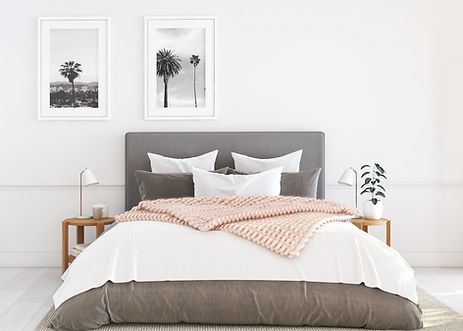
מִיטָּה – מִיטּוֹת
MITA-MITOT
A bed - beds
The earliest beds were very simple: piles of leaves, straw, or furs on the ground. Over time, humans began raising the bed off the ground to avoid moisture, dirt, and pests.
הַמִּיטּוֹת הָרִאשׁוֹנוֹת הָיוּ פְּשׁוּטוֹת מְאוֹד: עֲרֵימוֹת שֶׁל עָלִים, קַשׁ אוֹ פַּרְווֹת עַל הַקַּרְקַע. עִם הַזְּמַן, בְּנֵי אָדָם הֵחֵלּוּ לְהַגְבִּיהַּ אֶת הַמִּיטָּה מֵהַקַּרְקַע כְּדֵי לְהִתְרַחֵק מִלַּחוּת, לִכְלוּךְ וּמַזִּיקִים.
In the Middle Ages and the Renaissance, we can already find beds that became luxury furniture, for example, canopy beds with heavy curtains that provided privacy and protection from the cold.
בִּימֵי הַבֵּינַיִם וְהָרֶנֶסַנְס אֲנַחְנוּ כְּבָר יְכוֹלִים לִמְצוֹא מִיטּוֹת שֶׁהָפְכוּ לְרָהִיט יוֺקְרָה, לְמָשָׁל: מִיטּוֹת אַפִּירְיוֹן עִם וִילוֹנוֹת כְּבֵדִים שֶׁיָּצְרוּ פְּרָטִיּוֹת וַהֲגָנָה מִקּוֹר.
In Hebrew, we have:
Mitat yaḥid – a single bed, for one person
Mita zugit – a double bed, for two people
Mitat tinok – well… we all know who that one’s for!
בְּעִבְרִית יֵשׁ לָנוּ:
מִיטַּת יָחִיד – זוֹ מִיטָּה לְאָדָם אֶחָד.
מִיטָּה זוּגִית – מִיטָּה לִשְׁנַיִם.
מִיטַּת תִּינוֹק – טוֹב, נוּ...אֲנַחְנוּ יוֹדְעִים לְמִי הַמִּיטָּה הַזֹּאת...
In Hebrew we have the expression: “lehakhnis rosh bari lemitah ḥolah” – literally, “to put a healthy head into a sick bed.” This expression appears in the “trunk of expressions” under the topic Furniture, and if you’d like to learn more about it, please click here.
יֵשׁ לָנוּ בְּעִבְרִית אֶת הַבִּיטּוּי "לְהַכְנִיס רֹאשׁ בָּרִיא לְמִּיטָּה חוֹלָה" הַבִּיטּוּי הַזֶּה מוֹפִיעַ בְּאַרְגַּז הַבִּיטּוּיִים בְּנוֹשֵׂא רָהִיטִים וְאִם אַתֶּם רוֹצִים לִלְמוֹד עָלָיו נָא לַחֲצוּ כָּאן.
Here are a few sentences with the word mita (bed):
הִנֵּה כַּמָּה מִשְׁפָּטִים עִם הַמִּילָּה 'מִיטָּה':
1. They decided to purchase an adjustable double bed so they could watch TV together comfortably.
1. הֵם הֶחֱלִיטוּ לִרְכּוֹשׁ מִיטָּה זוּגִית מִתְכַּוְנֶנֶת, כְּדֵי שֶׁיּוּכְלוּ לִצְפּוֹת יַחַד בַּטֵּלֵוִיזְיָה בְּנוֹחוּת.
2. The doctor told him he had to stay in bed for at least two weeks to recover, but it was so hard for him not to move around all day.
2. הָרוֹפֵא אָמַר לוֹ שֶׁעָלָיו לְהִשָּׁאֵר בַּמִּיטָּה לְפָחוֹת שְׁבוּעַיִם כְּדֵי לְהַחֲלִים, אֲבָל הָיָה לוֹ מַמָּשׁ קָשֶׁה לֹא לָזוּז כָּל הַיּוֹם.
3. In the guest room, we have two folding beds that we open during the holidays when the extended family comes to stay overnight.
3. בַּחֲדַר הָאוֹרְחִים יֵשׁ לָנוּ שְׁתֵּי מִיטּוֹת מִתְקַפְּלוֹת וַאֲנַחְנוּ פּוֹתְחִים אוֹתָן בַּחַגִּים, כְּשֶׁהַמִּשְׁפָּחָה הַמּוּרְחֶבֶת מַגִּיעָה וְנִשְׁאֶרֶת לִישׁוֹן.
4. Some children wake up in the middle of the night, get out of their own bed, go to their parents’ bed, and stay there until morning.
4. יֵשׁ יְלָדִים שֶׁמִּתְעוֹרְרִים בַּלַּיְלָה, יוֹרְדִים מֵהַמִּיטָּה שֶׁלָּהֶם, הוֹלְכִים אֶל הַמִּיטָּה שֶׁל הַהוֹרִים וְנִשְׁאָרִים לִישׁוֹן שָׁם עַד הַבּוֹקֶר.