


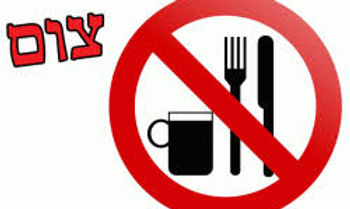
צוֹם – צוֹמוֹת
TSOM-TSOMOT
Fasting
The word "צוֹם" (fast) means to refrain from eating and drinking. The infinitive is "latsum" — to fast.
הַמִּילָּה צוֹם פֵּרוּשָׁהּ לֹא לֶאֱכוֹל וְלֹא לִשְׁתּוֹת. שֵׁם הַפֹּעַל: לָצוּם.
Fasting is one of the signs of mourning, but there are also other reasons to fast that are not related to grief. For example: fasting for medical reasons, such as cleansing the digestive system, or fasting for several hours before medical tests. There is also fasting for dietary purposes or nutritional changes.
צוֹם הוּא אֶחָד מִסִּימָנֵי הָאֲבֵלוּת, אֲבָל יֵשׁ עוֹד כַּמָּה סִיבּוֹת לְצוֹם שֶׁאֵינָן קְשׁוּרוֹת לְאֵבֶל. לְמָשָׁל: צוֹם מִסִּיבּוֹת רְפוּאִיּוֹת שֶׁמְּיוֹעָד לְנִיקּוּי מַעֲרֶכֶת הָעִיכּוּל אוֹ צוֹם שֶׁל מִסְפַּר שָׁעוֹת לִפְנֵי בְּדִיקוֹת רְפוּאִיּוֹת. יֵשׁ גַּם צוֹם מִסִּיבּוֹת שֶׁל דִּיאֶטָה וְשִׁינּוּי הַתְּזוּנָה.
In Judaism, we observe several fasts throughout the year. On these fast days, we do not eat from morning until evening. However, there are two fasts that are more significant: Yom Kippur and Tisha B’Av.
יֵשׁ לָנוּ בַּיַּהֲדוּת כַּמָּה צוֹמוֹת בְּמַהֲלַךְ הַשָּׁנָה. בַּצּוֹמוֹת הָאֵלֶּה אֲנַחְנוּ לֹא אוֹכְלִים מֵהַבּוֹקֶר וְעַד הָעֶרֶב. אֲבָל יֵשׁ לָנוּ שְׁנֵי צוֹמוֹת מַשְׁמָעוּתִיִּים יוֹתֵר וְהֵם צוֹם יוֹם כִּיפּוּר וְצוֹם ט' בְּאב.
On these days, the fast does not begin in the morning and end in the evening, but rather begins the evening before — that is, when the previous day ends — and continues until the following evening. In other words, a fast of 24–25 hours.
אֶת הַצּוֹם בַּיָּמִים הָאֵלֶּה אֲנַחְנוּ לֹא מַתְחִילִים בַּבּוֹקֶר וּמְסַיְּמִים בָּעֶרֶב, אֶלָּא מַתְחִילִים אוֹתוֹ בָּעֶרֶב שֶׁלִּפְנֵי, כְּלוֹמַר כְּשֶׁמִּסְתַּיֵּם הַיּוֹם הַקּוֹדֶם וְעַד הָעֶרֶב הַבָּא, כְּלוֹמַר 24-25 שָׁעוֹת שֶׁל צוֹם.
Here are a few sentences using the noun 'צוֹם' (fast):
הִנֵּה כַּמָּה מִשְׁפָּטִים עִם הַמִּילָּה 'צוֹם':
1. The doctor recommended an eight-hour fast before the test, to ensure that the results would be accurate and not affected by food or drink.
1. הָרוֹפֵא הִמְלִיץ עַל צוֹם שֶׁל שְׁמוֹנֶה שָׁעוֹת לִפְנֵי הַבְּדִיקָה, כְּדֵי לְוַדֵּא שֶׁהַתּוֹצָאוֹת יִהְיוּ מְדוּיָּקוֹת וְלֹא מוּשְׁפָּעוֹת מִמָּזוֹן אוֹ שְׁתִיָּה.
2. As part of his new diet, he tried intermittent fasting, in which one eats only during a limited time window each day, but he struggled to maintain it over time.
2. בְּמִסְגֶּרֶת הַדִּיאֶטָה הַחֲדָשָׁה, הוּא נִסָּה שִׁיטַת צוֹם לְסֵירוּגִין, שֶׁבָּהּ אוֹכְלִים רַק בְּחַלּוֹן זְמַן מוּגְבָּל בְּכָל יוֹם, אֲבָל הוּא הִתְקַשָּׁה לְהַתְמִיד לְאוֹרֶךְ זְמַן.
3. The long fast undertaken by the Indian monk was intended to purify both body and soul, and was accompanied by deep meditation and complete silence.
3. הַצּוֹם הָאָרוֹךְ שֶׁנָּטַל עַל עַצְמוֹ הַנָּזִיר הַהוֹדִּי נוֹעַד לְטִיהוּר הַגּוּף וְהַנֶּפֶשׁ, וְהוּא לֻוָּה בְּמֵדִיטַצְיָה עֲמוּקָּה וּבִשְׁתִיקָה מוּחְלֶטֶת.
4. The fast on Tisha B’Av is not only abstention from food and drink, but also an expression of mourning for the destruction of the Temple and a sense of national loss.
4. הַצּוֹם בְּתִשְׁעָה בְּאָב אֵינוֹ רַק הִמָּנְעוּת מֵאֲכִילָה וּשְׁתִיָּה, אֶלָּא גַּם בִּיטּוּי לְאֵבֶל עַל חוּרְבַּן בֵּית הַמִּקְדָּשׁ וּתְחוּשַׁת אוֹבְדָן לְאוּמִּי.