


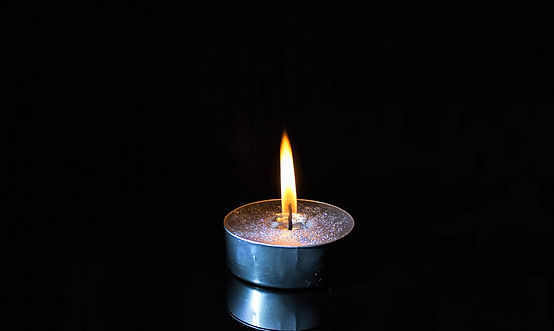
אֶבֶל
EVEL
Grief
August begins with the 9th of Av — a day of mourning for the people of Israel. On this day, the Jewish people mourn the destruction of both Holy Temples.
חוֹדֶשׁ אוֹגוּסְט מַתְחִיל עִם ט' בְּאָב. זֶהוּ יוֹם אֵבֶל עֲבוּר עַם יִשְׂרָאֵל. עַם יִשְׂרָאֵל מִתְאַבֵּל עַל חוּרְבָּן שְׁנֵי בָּתֵי הַמִּקְדָּשׁ.
There are various customs observed on this day, known as mourning practices — that is, customs we follow during times of grief, such as fasting, sitting on the floor, and even refraining from Torah study.
בַּיּוֹם הַזֶּה יֵשׁ כָּל מִינֵי מִנְהָגִים שֶׁנִּקְרָאִים מִנְהֲגֵי אֲבֵלוּת, כְּלוֹמַר מִנְהָגִים שֶׁאוֹתָם אֲנַחְנוּ עוֹשִׂים בְּיָּמִים שֶׁל אֵבֶל, לְמָשָׁל: צוֹם, יְשִׁיבָה עַל הָרִצְפָּה וַאֲפִילּוּ אִיסּוּר לִימּוּד תּוֹרָה.
Torah study is a deeply important value in Jewish life, and there is a special prohibition against neglecting it — meaning one does not stop learning Torah unless there is a truly exceptional reason. But on days of mourning, Torah study is suspended.
לִימּוּד תּוֹרָה הוּא דָּבָר מְאוֹד חָשׁוּב לָעַם הַיְּהוּדִי, וְיֵשׁ אִיסּוּר מְיוּחָד עַל בִּיטּוּל תּוֹרָה, כְּלוֹמַר לֹא מַפְסִיקִים לִלְמוֹד תּוֹרָה אֶלָּא אִם יֵשׁ סִיבָּה מַמָּשׁ מְיוּחֶדֶת. אֲבָל בִּימֵי אֵבֶל לֹא לוֹמְדִים תּוֹרָה.
To mark the mourning over the destruction of the two Temples, some Jews refrain from eating meat starting from the beginning of the month of Av — that is, during the nine days leading up to the 9th of Av.
כְּדֵי לְצַיֵּן אֶת הָאֵבֶל עַל חוּרְבָּנָם שֶׁל שְׁנֵי בָּתֵּי הַמִּקְדָּשׁ, יֵשׁ יְהוּדִים שֶׁנּוֹהֲגִים לֹא לֶאֱכוֹל בָּשָׂר אֲפִילּוּ מִתְּחִילַּת חוֹדֶשׁ אָב, כְּלוֹמַר בְּמֶשֶׁךְ תִּשְׁעַת הַיָּמִים שֶׁלִּפְנֵי ט' בְּאָב.
Mourning is a state in which people find themselves after the death of someone close. For example, if someone from the immediate family dies — such as a parent, sibling, or child — the family observes 'Shiva'.
'Shiva' is a mourning custom in which the close family stays at home for seven days and follows various mourning practices.
אֵבֶל הוּא מַצָּב שֶׁבּוֹ אֲנָשִׁים שְׁרוּיִים כַּאֲשֶׁר מִישֶׁהוּ קָרוֹב מֵת. לְדוּגְמָא: אִם מֵת מִישֶׁהוּ מֵהַמַּעֲגָּל הָרִאשׁוֹן בַּמִּשְׁפָּחָה, כְּלוֹמַר: אָב, אֵם, אָח אוֹ יֶלֶד, הַמִּשְׁפָּחָה יוֹשֶׁבֶת "שִׁבְעָה". "שִׁבְעָה" הוּא מִנְהָג שֶׁל אֵבֶל שֶׁבְּמַהֲלָכוֹ הַמִּשְׁפָּחָה הַקְּרוֹבָה יוֹשֶׁבֶת בַּבַּיִת בְּמֶשֶׁךְ 7 יָמִים וְנוֹהֶגֶת בְּמִנְהֲגֵי אֲבֵלוּת שׁוֹנִים.
The first year after the death of a family member is also considered a year of mourning, during which the close family refrains from hosting celebrations or participating in joyful events that include music and dancing.
גַּם הַשָּׁנָה הָרִאשׁוֹנָה לְאַחַר מוֹתוֹ שֶׁל בֶּן הַמִּשְׁפָּחָה נֶחְשֶׁבֶת לִשְׁנַת אֵבֶל שֶׁבְּמַהֲלָכָהּ הַמִּשְׁפָּחָה הַקְּרוֹבָה לֹא נוֹהֶגֶת לַעֲרוֹךְ מְסִיבּוֹת וְגַם לֹא לְהִשְׁתַּתֵּף בְּאֵירוּעִים מְשַׂמְּחִים שֶׁמּוּשְׁמַעַת בָּהֶם מוּזִיקָה לְרִיקּוּדִים.
These periods — 'Shiva' and the year of mourning — are deeply personal, because each person processes grief differently and needs their own time to heal.
הַזְּמַנִּים הָאֵלֶּה ("שִׁבְעָה", "שְׁנַת אֵבֶל") הֵם שְׁרִירוּתִיִּים, כִּי כָּל אֶחָד מְעַבֵּד אֶת הָאֵבֶל בְּצוּרָה אַחֶרֶת וְכָל אֶחָד צָרִיךְ אֶת הַזְּמַן שֶׁלּוֹ כְּדֵי לְהִתְגַּבֵּר עַל אֵבֶל.
And as we see, the people of Israel have not yet overcome the destruction of the two Temples, even after 2,000 years, and continue to observe the 9th of Av as a day of mourning.
וּכְפִי שֶׁאֲנַחְנוּ רוֹאִים עַם יִשְׂרָאֵל לֹא הִתְגַּבֵּר עַל חוּרְבָּנָם שֶׁל שְׁנֵי בָּתֵּי הַמִּקְדָּשׁ כְּבָר 2000 שָׁנָה וּמַקְפִּיד לְקַיֵּם אֶת ט' בְּאָב כְּיוֹם אֵבֶל.
But there is also good news: According to Jewish tradition, it is believed that when the Messiah comes, the day of mourning — the 9th of Av — will be transformed into a day of great joy.
אֲבָל יֵשׁ גַּם חֲדָשׁוֹת טוֹבוֹת: לְפִי הַמָּסוֹרֶת הַיְּהוּדִים מַאֲמִינִים שֶׁכַּאֲשֶׁר יָבוֹא הַמָּשִׁיחַ יוֹם הָאֵבֶל שֶׁל ט' בְּאָב יַהֲפוֹךְ לְיוֹם שִׂמְחָה גְּדוֹלָה.