


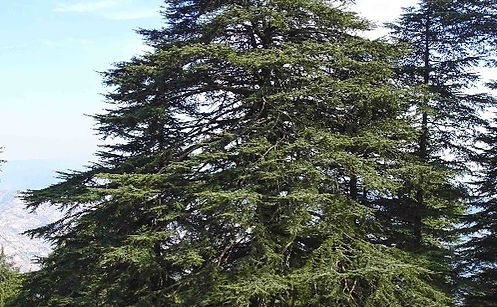
אִם בַּאֲרָזִים נָפְלָה שַׁלְהֶבֶת מָה יַגִּידוּ אֵזּוֹבֵי הַקִּיר?
IM BA-ARAZIM NAFLA SHALHEVET MA YAGIDU EZOVEY HA-KIR
If the cedars caught fire, what will the hyssops say?
The cedar is a strong tree with a large, wide trunk, and the wall mosses are plants with thin branches and stems.
Flame = fire.
הָאֶרֶז הוּא עֵץ חָזָק שֶׁיֵּשׁ לוֹ גֶּזַע גָּדוֹל וְרָחָב, וְאֵיזוֺבֵי הַקִּיר הֵם צְמָחִים עִם עֲנָפִים וְגִבְעוֹלִים דַּקִּים.
שַׁלְהֶבֶת = אֵשׁ.
This expression wants to tell us that if the large, wide cedar trees can be set on fire, then the thin, dry wall mosses can be burned very easily.
הַבִּיטּוּי הַזֶּה רוֹצֶה לְהַגִּיד לָנוּ שֶׁאִם אֶפְשָׁר לְהַעֲלוֹת בָּאֵשׁ אֶת עֲצֵי הָאֶרֶז הַגְּדוֹלִים וְהָרְחָבִים, אָז אֶת אֵיזוֺבֵי הַקִּיר הַדַּקִּים וְהַיְּבֵשִׁים אֶפְשָׁר לִשְׂרוֹף מַמָּשׁ בְּקַלּוּת.
We use this expression to criticize different groups in society, for example, if we have heard about rich people (the cedars) stealing, then it is clear that poor and weak people (the wall mosses) will steal too.
אֲנַחְנוּ מִשְׁתַּמְּשִׁים בַּבִּיטּוּי הַזֶּה כְּדֵי לְבַקֵּר קְבוּצוֹת שׁוֹנוֹת בַּחֶבְרָה, לְמָשָׁל, אִם שָׁמַעְנוּ עַל אֲנָשִׁים עֲשִׁירִים (הָאֲרָזִים) שֶׁגּוֹנְבִים, אָז בָּרוּר שֶׁאֲנָשִׁים עֲנִיִּים וְחַלָּשִׁים (אֵיזוֺבֵי הַקִּיר) יִגְנְבוּ גַּם.
We mainly use this expression when members of Knesset or judges who represent the law and are supposed to be the first to keep it - break it.
בְּעִיקָּר אֲנַחְנוּ עוֹשִׂים שִׁימּוּשׁ בַּבִּיטּוּי הַזֶּה כַּאֲשֶׁר חַבְרֵי כְּנֶסֶת אוֹ שׁוֹפְטִים שֶׁמְּיַצְּגִים אֶת הַחוֹק וַאֲמוּרִים לִהְיוֹת הָרִאשׁוֹנִים שֶׁמַּקְפִּידִים עָלָיו - עוֹבְרִים עָלָיו.