


עָלָה בָּאֵשׁ
ALA BA-ESH
Went up in flames
When we use this expression, we don’t really mean that something has gone up somewhere, but simply that it has burned.
כְּשֶׁאֲנַחְנוּ מִשְׁתַּמְּשִׁים בַּבִּיטּוּי הַזֶּה אֲנַחְנוּ לֹא בֶּאֱמֶת רוֹצִים לְהַגִּיד שֶׁמַּשֶּׁהוּ עָלָה לְאָן שֶׁהוּא אֶלָּא אֲנַחְנוּ פָּשׁוּט רוֹצִים לְהַגִּיד שֶׁהוּא נִשְׂרַף.
Examples:
(1) Yesterday, there was a large forest fire due to the hot weather, and so many trees went up in flames.
דּוּגְמָאוֹת:
(1) אֶתְמוֹל הָיְתָה שְׂרֵיפָה גְּדוֹלָה בַּיַּעַר בִּגְלַל מֶזֶג הָאֲוִיר הַחַם וְכָל כָּךְ הַרְבֵּה עֵצִים עָלוּ בָּאֵשׁ.
(2) Last week, their house burned down, and all the belongings they had went up in flames.
(2) בַּשָּׁבוּעַ שֶׁעָבַר נִשְׂרַף לָהֶם הַבַּיִת וְכָל הָרְכוּשׁ שֶׁהָיָה לָהֶם עָלָה בָּאֵשׁ.
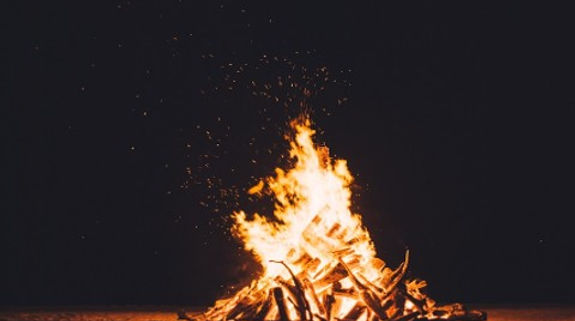
The reason we use the verb "went up" is that when we look at a burning fire, we see its flames as if they are climbing upward. However, when something "goes up in flames", it doesn’t rise upward or move anywhere—it simply burns.
הַסִּיבָּה שֶׁבִּגְלָלָהּ אֲנַחְנוּ מִשְׁתַּמְּשִׁים בַּפֺּעַל 'עָלָה' הִיא שֶׁכַּאֲשֶׁר אֲנַחְנוּ מִסְתַּכְּלִים עַל אֵשׁ דּוֹלֶקֶת אֲנַחְנוּ רוֹאִים אֶת הַלֶּהָבוֹת שֶׁלָּהּ כְּאִילּוּ מְטַפְּסוֹת לְמַעֲלָה. אֲבָל כְּשֶׁמַּשֶּׁהוּ 'עוֹלֶה בָּאֵשׁ' הוּא לֹא עוֹלֶה לְמַעֲלָה וְלֹא לְשׁוּם מָקוֹם אַחֵר הוּא פָּשׁוּט נִשְׂרַף.